
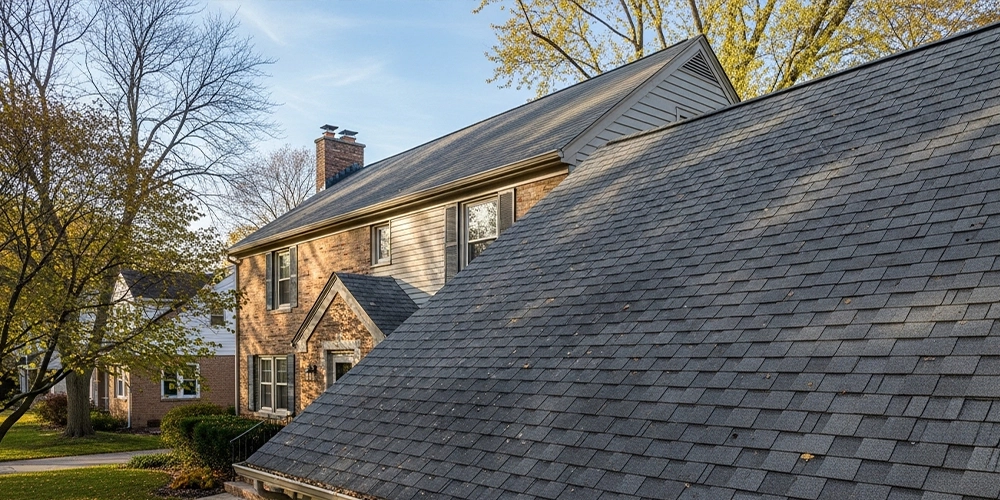
A roof rarely fails all at once. Most of the time, it gives you warnings first. The trouble is that many homeowners wait until a leak shows up inside the house, and by then the roof problem is often bigger and more expensive than it needed to be. Manufacturers and roofing guides point to the same core red flags: damaged shingles, heavy granule loss, recurring leaks, storm damage, sagging, and advanced age.
If you are wondering whether your roof needs a repair or a full replacement, the answer usually comes down to one thing: how widespread the damage is. A single issue in one area can sometimes be repaired. But if the roof is old and showing multiple signs at once, replacement is usually the smarter move.
Your Shingles are Curling, Cracking, or Buckling
This is one of the clearest signs your roof is getting old. Owens Corning lists curled edges, cupped tabs, cracked shingles, and uneven surfaces as common warnings that a roof may need replacement. GAF says missing, buckling, curling, cracking, or torn shingles are all signs you may need a new roof.
Why does this matter? Because shingles are supposed to lie flat and shed water. Once they start lifting, curling, or splitting, they stop doing that job well. Water can work underneath them, wind can catch them more easily, and small problems can spread fast.
You are Seeing Bald Spots or Lots of Granules
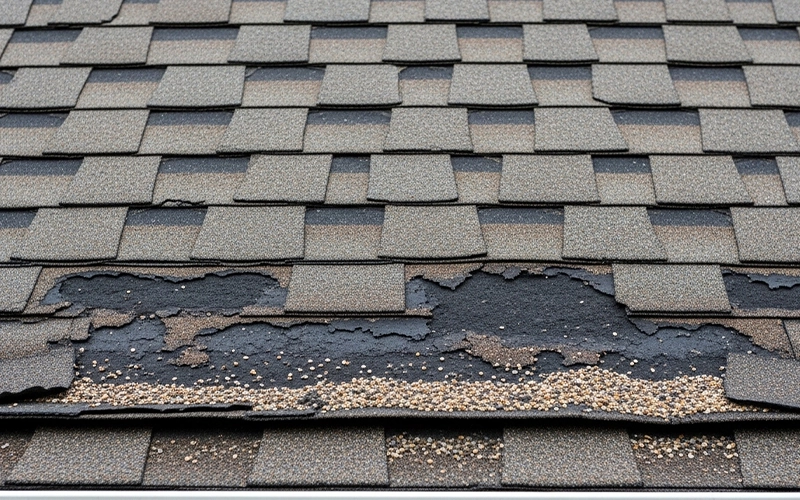
A little granule loss is normal over time, especially on a newer asphalt roof. But excessive granule loss is different. Owens Corning points to bald spots where granules are missing as a common sign that a roof may need replacement, and GAF says excessive granule loss, especially when it leaves bare patches, can signal an aging roof.
You may notice this first in the gutters or downspouts. If you keep finding a large amount of granules after rain or storms, or you can see worn patches on the shingles themselves, the roof may be losing the protective layer that helps it stand up to sun and weather.
Shingles are Missing After Wind or Storms
One or two missing shingles after a storm might be a repair. But if the damage is spread across the roof, or storms keep exposing new weak areas, that is a different story. CertainTeed notes that high winds and hail can loosen, crack, or blow off shingles entirely, and GAF includes severe storm damage on its list of reasons to consider a new roof.
Storm damage matters because it usually does more than remove surface material. It can break seals, loosen flashing, expose underlayment, and create paths for water to get in later. A roof that keeps taking storm damage may be telling you it is already near the end of its useful life.
You have Recurring Leaks or Water Stains
A single isolated leak does not always mean you need a brand-new roof. But recurring leaks are a different problem. GAF lists recurring or widespread leaks as a major sign you may need a new roof, and roof damage guides consistently connect interior water stains and moisture problems to failing roof components.
This is especially true when leaks show up in multiple places or keep returning after repairs. At that point, the issue may not be one flashing detail or one damaged shingle. It may mean the roofing system as a whole is wearing out.
The Roof Looks Uneven or Starts to Sag
A sagging roofline is one of the biggest warning signs on the list. GAF specifically flags a sagging roofline or roof deck as a sign you may need a new roof. CertainTeed also points to visible dips or uneven surfaces as signs of more serious roofing problems.
This one is not just cosmetic. Sagging can mean trapped moisture, damaged decking, structural weakness, or long-term deterioration under the shingles. If you see dips, soft-looking sections, or a roofline that no longer looks straight, it is worth getting it checked quickly.
The Roof is Simply Old
Age does not automatically mean replacement, but it does change how you read the warning signs. GAF says if your roof is more than 20 years old or has extensive damage or recurring issues, you should talk with a roofing professional about replacement. That does not mean every roof dies at 20 years, but it does mean age should put you on alert.
This matters even more if the roof is already showing curling, granule loss, or recurring leaks. An older roof with multiple issues usually makes a stronger case for replacement than for repeated patch repairs.
Moss Growth is Getting Heavy
A little discoloration is not always a crisis. But extensive moss growth can be a sign that moisture is hanging around longer than it should. GAF includes extensive moss growth among the signs that may point to roof replacement, especially when it is part of a bigger pattern of age and wear.
The bigger concern is not the green color itself. It is what the growth may say about trapped moisture and ongoing surface wear. If the roof is older and moss is spreading across large sections, that is worth taking seriously.
You Keep Paying for Repairs
This is the sign homeowners often ignore the longest. One repair can make sense. Two repairs may still be fine. But if you are fixing leaks, replacing shingles, patching flashing, and dealing with the same trouble spots again, the roof may already be telling you it is time to stop patching and start planning. That logic lines up with manufacturer guidance that widespread or recurring issues are strong signs a new roof may be the better option.
A roof replacement is a bigger expense up front, but it can be the more practical move when the existing roof is old, worn, and creating repeat problems.
Repair or Replace?
If the roof is fairly new and the damage is limited to one area, a repair may be enough. But if the roof is older and showing several of these signs together, replacement is usually the better long-term decision. Curling shingles, heavy granule loss, recurring leaks, and sagging should not be treated like small cosmetic issues. They usually point to a roof that is wearing out as a system, not just in one isolated spot.
A professional inspection helps you separate a repairable issue from a roof that is near the end. CertainTeed says professional roof inspections should happen at least annually, and twice a year is ideal, especially before severe weather season and after major storms.
Final Thoughts
If your roof is showing one clear warning sign, do not ignore it. If it is showing three or four at the same time, that is usually a strong sign the roof is getting close to replacement time.
The goal is not to replace a roof too early. It is to catch the moment when repair stops making sense and replacement becomes the smarter investment. That point usually shows up in the form of repeated leaks, visible shingle failure, storm damage, and age all stacking together.
Think your roof may be near the end? Contact Apexium Roofing for an inspection and get a clear answer before a small problem turns into a bigger one.