
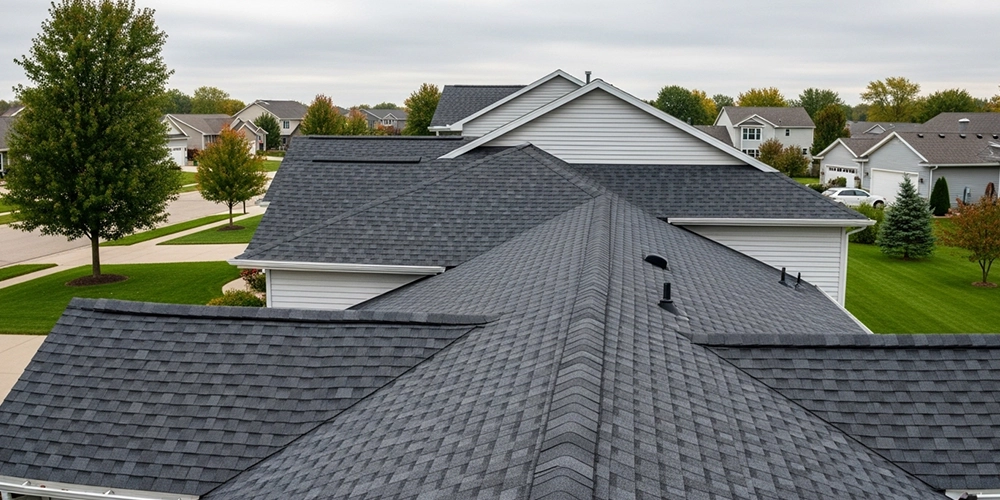
Roof maintenance matters in every state, but it matters more in Wisconsin. Snow, ice dams, hail, freeze-thaw cycles, and heavy seasonal moisture can wear a roof down faster if small issues are left alone. Wisconsin homeowner guidance specifically notes that roofs can be damaged by ice damming, hail, and other hazards, and that heavy snow left on flat roofs can even create structural risk. The same guidance also points out that gutters play a vital role in keeping a home dry.
The good news is that roof maintenance does not have to be complicated. A few consistent checks each year can help you catch problems earlier, avoid bigger repair bills, and keep the roof doing its job longer. NRCA says homeowner maintenance should generally be limited to safe visual inspections in the fall and spring and cleaning gutters, while most actual roof work is better left to trained professionals.
Why Wisconsin Homeowners Need a Roof Maintenance Routine
A roof in Wisconsin has to handle a lot. Winter snow and overnight refreezing can lead to ice dams. Spring brings moisture and freeze-thaw leftovers. Summer storms can loosen shingles or damage flashing. Fall loads the roof and gutters with leaves and debris. The result is simple: if you only think about your roof when it leaks, you are probably thinking about it too late.
That is why a seasonal checklist works so well here. Owens Corning recommends regular maintenance tasks throughout the year, and NRCA says fall and spring are the right times for homeowner roof checks. In a climate like Wisconsin, that schedule makes practical sense.
Clean Out Gutters and Downspouts
This is one of the most important items on the whole list. GAF says clogged gutters and downspouts can trap moisture, lead to leaks, and damage the roof and surrounding areas. Owens Corning says gutters should stay clean and free-flowing because backed-up water can work underneath shingles and overflow onto siding or masonry.
For Wisconsin homeowners, this matters even more heading into winter. The National Weather Service says clean gutters and downspouts help melting snow flow properly, while blocked gutters increase the chance of ice dam problems.
Look for Missing, Curled, or Damaged Shingles
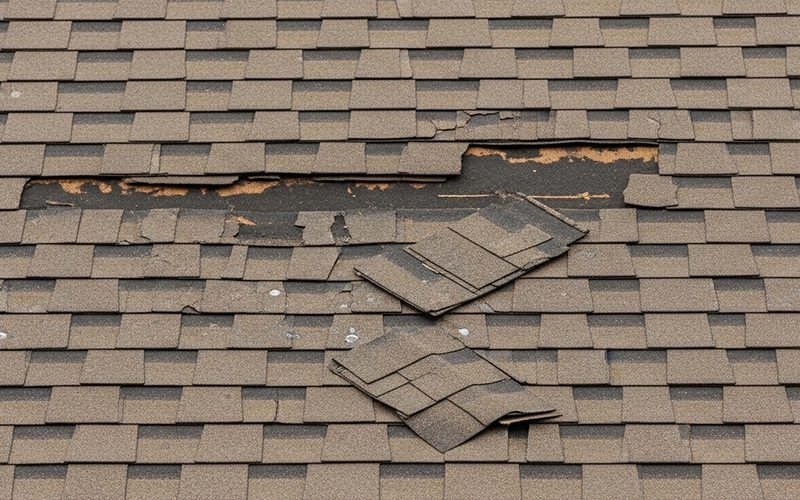
After winter and after storms, do a ground-level check of the roof. GAF recommends looking for missing, curled, or stained shingles in spring, and notes that snow buildup, ice dams, and excess moisture can all wear shingles down over time. Owens Corning also advises limiting roof traffic because walking on shingles can scuff granules and even crack or lift them.
The key here is not to climb up and start poking around. NRCA says most work should not be done by homeowners, and even inspections should be handled as safely as possible, ideally from a ladder or from the ground if you can see enough.
Check Flashing Around Chimneys, Vents, and Valleys
Flashing problems are a common source of roof leaks. GAF says flashing protects vulnerable areas like chimneys, valleys, and vents, and homeowners should watch for rust staining and cracked caulking. On commercial maintenance guidance, GAF also recommends examining metal flashings and related metalwork for rust, detachment, damage, and deteriorated sealant.
This is one of those details that gets ignored until water starts showing up inside. A roof can look fine from a distance and still have failing flashing around one key penetration.
Inspect the Attic for Leaks, Dampness, and Mold
A lot of roof problems show up inside before they become obvious outside. GAF says spring is a good time to inspect the attic for dampness, dark stains, and mold, since mold often results from condensation and poor attic ventilation. Owens Corning’s storm damage checklist also says attics and ceilings should be checked for leaks and water spots, even when the exterior roof does not look badly damaged.
This step matters in Wisconsin because roof performance is tied closely to attic conditions. If moisture is getting trapped up there, the roof system is already under more stress than it should be.
Trim Tree Branches and Clear Debris off the Roof
Owens Corning recommends removing nearby branches because they can rub against shingles during windstorms and disturb protective granules. It also recommends clearing organic debris like leaves and seed pods off the roof because that material holds moisture against the shingles.
This is one of the easiest maintenance wins for homeowners. Fewer branches mean less scraping, less debris, and fewer clogged gutters. It also means fewer chances of storm-related branch damage later.
Watch for Moss, Algae, and Mildew
Moisture-heavy climates make this more important than many homeowners realize. Owens Corning says moss absorbs water and can damage shingles by lifting edges and exposing their undersides to moisture. GAF adds that algae and mildew are common after long winters because moisture gives them the conditions they need to grow.
A small stain is not always a crisis, but widespread growth is worth taking seriously. It can be a sign that sections of the roof are staying wet too long or not drying out the way they should.
Check After Every Major Storm
Wisconsin storms can do damage even when the roof still looks mostly intact. Owens Corning recommends walking around the house after storms and documenting visible damage like dented, torn, curled, or missing shingles. It also suggests checking gutters, vents, windows, and the attic for signs of impact or leaks.
This is especially important after hail and wind events. Small storm damage can go unnoticed for months, then turn into leaks once the next round of bad weather hits.
Keep an Eye on Snow and Ice in Winter
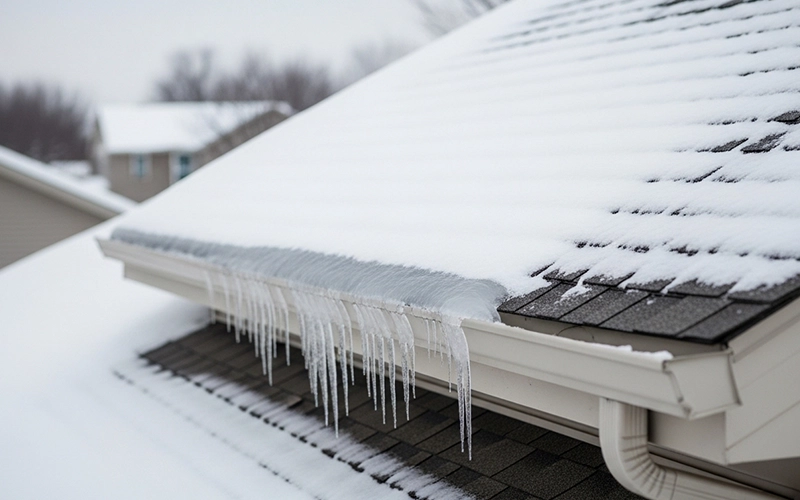
The National Weather Service says ice dams are most common in northern climates, where snow melts during the day and refreezes overnight. It recommends keeping gutters clear, minimizing heavy snow buildup, and using a roof rake from the ground when needed to reduce both ice dam risk and the danger of roof overload. It also says attic insulation and ventilation are essential to reducing freeze-thaw cycling on the roof.
For Wisconsin homeowners, this is not a minor winter chore. If you regularly see heavy icicles, backed-up ice, or repeated winter leaks, that is a sign the roof system or attic setup may need professional attention.
Schedule a Professional Roof Inspection
Even careful homeowners miss things. Owens Corning says hiring a roofer is often the best way to make sure maintenance is handled safely and correctly, and its inspection guidance notes that professionals know how to spot water intrusion and lift shingles without causing damage. GAF says once a year is a good rule of thumb for inspections, though some roofs may need more frequent checks depending on weather exposure.
In Wisconsin, a smart pattern is a professional inspection at least once a year, with extra attention after severe storms or after a rough winter. That gives you a better shot at catching damage before it turns into interior problems.
Final Thoughts
A good roof maintenance routine in Wisconsin is not about doing something complicated every weekend. It is about staying consistent with the basics: keeping gutters clear, watching for shingle damage, checking the attic, trimming branches, and paying attention after storms and through winter.
The biggest mistake homeowners make is waiting for a leak before they act. By then, the damage is often bigger than it looked from the outside. A simple checklist, followed season by season, gives you a much better chance of protecting the roof and avoiding expensive surprises.
If you want a clear picture of your roof’s condition before the next Wisconsin season hits, schedule an inspection with Apexium Roofing and get practical guidance on what your roof needs now.