
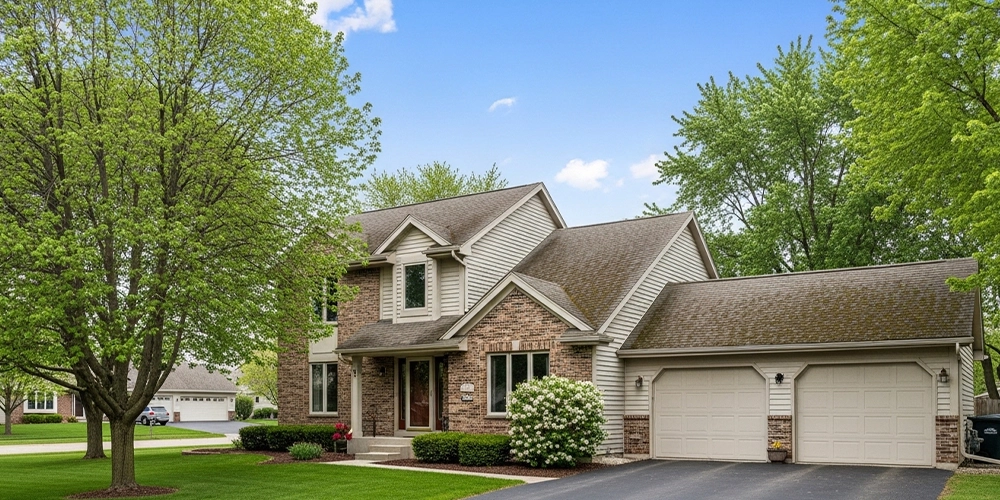
In Wisconsin, most asphalt shingle roofs last about 20 to 30 years if they are installed well and maintained properly. Architectural shingles usually land at the upper end of that range, while metal roofs often last 40 to 80 years or more. On low-slope and commercial buildings, TPO commonly lasts 20 to 30 years, and many commercial roof systems in general fall into that same 20-to-30-year window depending on installation quality and maintenance.
That is the simple answer. The real answer is a little more local. Wisconsin roofs deal with snow load, ice dams, freeze-thaw cycles, hail, wind, and moisture, all of which can shorten roof life if the system is poorly ventilated or already worn. The University of Wisconsin Extension notes that roofs can be damaged by ice damming, hail, and heavy snow, while insurers and building-science sources point out that good insulation and ventilation help reduce ice-dam risk and can extend roof life.
Average Roof Lifespan in Wisconsin by Material
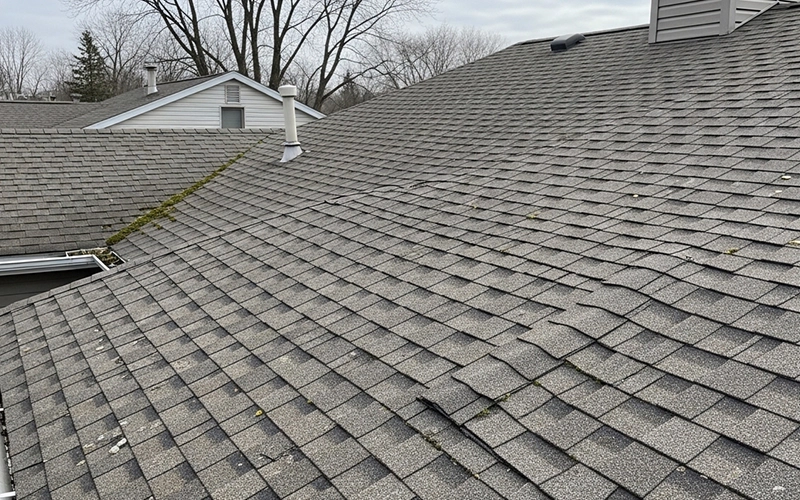
Different roofing materials last for different lengths of time, and Wisconsin weather can shorten or extend that lifespan depending on installation quality, ventilation, storm exposure, and upkeep. Looking at average lifespan by material gives homeowners a better idea of what to expect before repair or replacement becomes necessary.
Asphalt Shingles
For most Wisconsin homes, asphalt is still the main roofing material, and its expected life is usually 20 to 30 years. Owens Corning says asphalt shingle roofs generally last 20–30 years, with architectural shingles lasting longer than 3-tab products. GAF gives the same general range for asphalt shingles.
That means a basic 3-tab roof on an older Milwaukee home may start showing its age sooner, while a better architectural shingle roof can often stay in service longer. But in Wisconsin, the difference is not just the shingle. Ventilation, attic insulation, flashing, and how well the roof handles winter moisture matter just as much.
Metal Roofing
Metal roofs usually last much longer than asphalt. State Farm says metal roofs can last 40 to 80 years, and other current roofing guides put high-performing metal systems in that same broad range, sometimes longer depending on the metal and maintenance. In a snowy state like Wisconsin, that longer life is one reason metal stays attractive for some homes and buildings.
Flat and Low-slope Roofing
On commercial buildings and low-slope roofs, lifespan depends heavily on the membrane and upkeep. GAF says TPO typically lasts 20 to 30 years, while many commercial roofing systems overall also land around 20 to 30 years depending on material, installation quality, and maintenance history. Carlisle also notes that long-term proactive maintenance can help commercial roofs meet or even exceed expected life spans.
EPDM is a little trickier to summarize because “years in use” is not the same as “roof life.” Carlisle says black EPDM membranes have been used for more than 50 years, which speaks to the product’s long track record, not a guarantee that every EPDM roof lasts 50 years. In practice, maintenance, seam condition, drainage, and installation quality still decide how long a specific roof stays serviceable.
Why Roofs in Wisconsin Wear out Faster
Wisconsin is hard on roofs. Snow and ice are the obvious reasons, but the bigger issue is what those conditions do over time. Ice dams can push water back under roofing materials, heavy snow can stress weaker roof sections, and repeated freeze-thaw cycles can expose small weaknesses that turn into larger leaks later. Wisconsin Extension specifically warns that roofs can be damaged by ice damming, hail, and heavy snow, especially on vulnerable assemblies.
Ventilation is another big factor. State Farm notes that proper attic ventilation can help prevent structural moisture issues, reduce ice-dam problems, and increase roofing material life. That matters in Wisconsin because a roof with poor airflow may age faster even when the shingles themselves are decent.
Hail and wind matter too. Wisconsin storms may not hit every neighborhood the same way, but one strong season can take years off a roof if shingles loosen, flashing shifts, or protective granules wear away. That is why a 15-year-old roof can sometimes look far older than its calendar age.
How to Tell Your Roof is Nearing the End
Age is still the first thing to check. If your asphalt roof is pushing 20 years or more, it deserves a closer look. This Old House notes that once a roof is more than 20 years old, there is a good chance replacement should at least be on the table, even though younger roofs can fail too.
After age, look at the condition. Common signs include recurring leaks, missing or damaged shingles, exposed or failing flashing, granule loss, sagging areas, and repeated winter moisture problems. If the roof keeps needing small repairs every season, that usually means the system is wearing out, not just one section. GAF’s commercial and residential guidance also points homeowners and building owners to signs like leaks, visible damage, and surface wear when deciding whether a roof is nearing the end of its useful life.
Does a “Lifetime Warranty” Mean the Roof Lasts for Life?
Not really. This confuses a lot of homeowners.
Owens Corning says most roofing shingles now come with a limited lifetime warranty, and GAF explains that “lifetime” usually refers to the period of coverage for the original owner on a qualifying home, not a promise that the roof will literally last forever. In other words, warranty language is not the same thing as real-world service life.
That is why the better question is not “What is the warranty?” It is “How long should this roof realistically last in Wisconsin, on this house, with this ventilation and this exposure?” That answer is usually much more useful than a warranty brochure.
Can Maintenance Extend Roof Life?
Yes, and in Wisconsin it matters more than people think.
Regular inspections, keeping drainage paths clear, checking flashing, and fixing small issues early can add real life to a roof. State Farm says proper ventilation and maintenance help increase roofing material life, and Carlisle says proactive roof maintenance can help commercial roofs avoid larger repairs and even exceed expected service life.
For homeowners, the practical takeaway is simple: do not wait for a major leak. A roof usually gives warning signs before failure. If you catch those signs early, you may get several more years out of the system. If you ignore them through two or three Wisconsin winters, you may be pushed into a replacement sooner than expected.
So, how long does a roof last in Wisconsin?
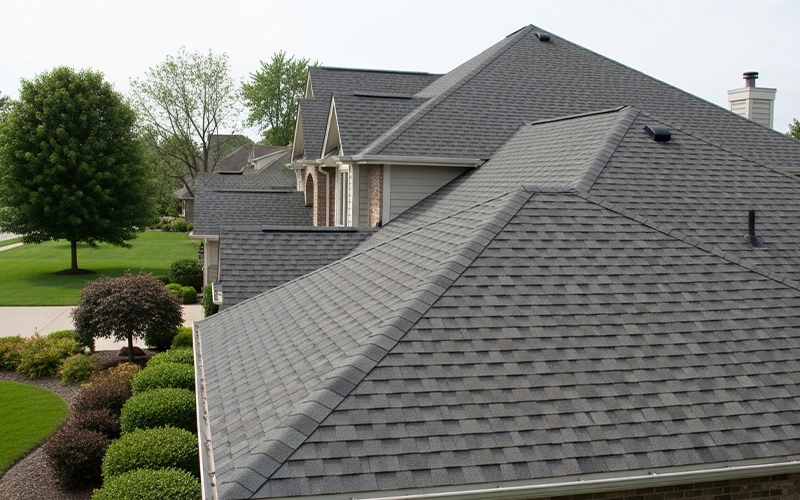
For most homes in Wisconsin, asphalt shingles usually last about 20 to 30 years, while architectural shingles often reach around 30 years with good installation and upkeep. Metal roofing can last much longer, often around 40 to 80 years.
On low-slope or commercial properties, TPO roofing commonly lasts about 20 to 30 years, and many commercial roof systems overall fall into that same general range depending on the material and how well the roof is maintained. Still, no roof lasts based on material alone. In Wisconsin, roof life is heavily shaped by snow, ice, ventilation, storm exposure, installation quality, and ongoing maintenance. Two roofs installed in the same year can wear very differently depending on how those factors play out over time.
Not sure how much life your roof has left? Contact Apexium Roofing for an inspection and get a clear answer before a small issue turns into a full replacement.