
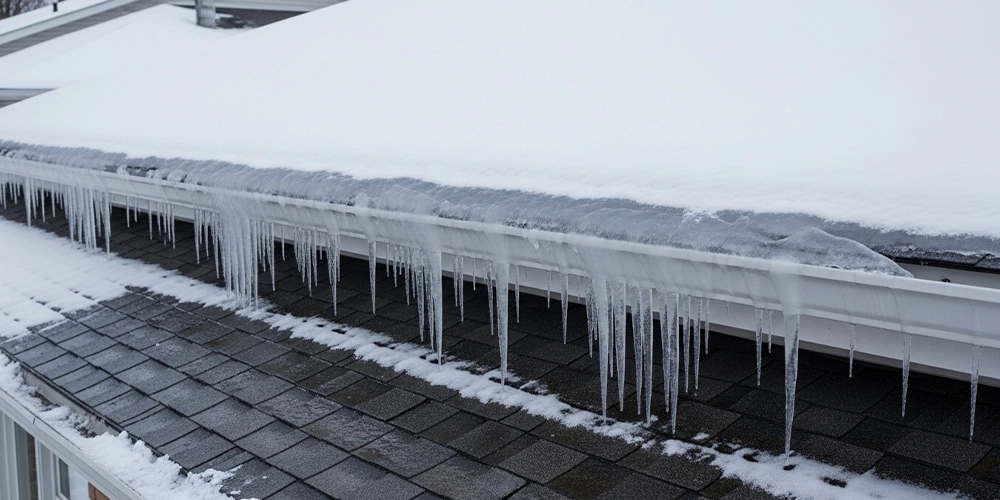
Yes, you can replace a roof in winter in Wisconsin. Professional roofers do work in cold and wintery conditions, especially when a roof has storm damage, an active leak, or a problem that cannot wait until spring. But that does not mean every winter day is a good roofing day. Whether a winter replacement makes sense depends on temperature, snow and ice, roof conditions, material type, and whether the crew can follow cold-weather installation rules.
That distinction matters in Wisconsin because winter is not just “cold.” Roofs here deal with snow cover, ice dams, freeze-thaw cycles, and wind-driven moisture. NRCA notes that ice dams are a real issue in cold, snowy climates, and Owens Corning points out that ice dams can let water back up under shingles if the roof is vulnerable.
The short Answer: Yes, But Conditions Matter
A winter roof replacement is possible when the job is planned carefully and the weather cooperates. Owens Corning says homeowners can feel confident that professional contractors can and do work on roofs during winter conditions. GAF also says roofing installations may continue year-round in some places, but warns that sustained stretches of very cold weather are not suitable for asphalt shingle installation.
So the practical answer is this: if your Wisconsin roof is leaking, storm-damaged, or near failure, winter replacement is often better than waiting. But if the roof is stable and the forecast is full of snow, ice, and deep cold, a contractor may recommend temporary protection first and full replacement when conditions improve. That is a judgment call based on site conditions, not just the calendar.
Why is Winter Roofing Harder
The biggest issue with winter roofing is temperature. GAF’s official recommendation is to install shingles at 40°F / 4°C or warmer, though installation can still happen below that if contractors follow the required cold-weather procedures. Owens Corning’s shingle instructions also have specific cold-weather installation requirements below 40°F, including special sealing steps.
Cold weather changes how roofing materials behave. CertainTeed notes that regular shingles become more brittle in cold weather, and it separately warns that cold shingles are more prone to cracking. That means winter roofing has less room for rough handling, rushed work, or sloppy storage.
There is also the sealing issue. GAF says self-sealing shingles installed in fall or winter may not fully seal until the following spring because they need warm, sunny conditions to activate properly. Before they seal, they can be more vulnerable to blow-offs and wind damage if the installation is not handled the right way.
What Roofers Do Differently in Winter
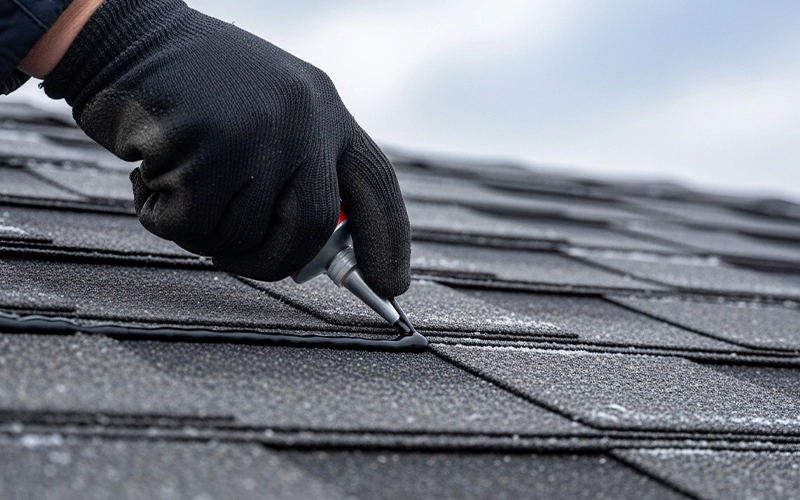
Winter roof replacement is not just “summer roofing in a jacket.” Contractors usually need to follow extra steps. GAF says cold-weather installation may require hand-sealing, and Owens Corning’s installation instructions also require additional sealing procedures below 40°F. GAF’s cold-weather bulletin further notes that storing shingles in a heated area can help make them more pliable and easier to install.
Winter jobs also require more weather awareness. Snow-covered or icy surfaces create safety problems and can interfere with clean installation. CertainTeed advises avoiding roof work on icy surfaces and warns that cold weather increases the chance of damaging brittle materials. That means a good winter crew has to watch not only the day’s temperature, but also roof dryness, wind, overnight freeze conditions, and whether the roof can actually be worked on safely.
For waterproofing details, temperature matters too. NRCA notes that manufacturers of self-adhered water and ice-dam protection membranes often recommend installing those products at around 40°F and rising or even 50°F and rising, depending on the product, and that heated air may be needed to help sealing in cold weather. That is a big reason experienced winter roofing crews pay close attention to product instructions rather than relying on guesswork.
When Replacing a Roof in Winter Makes Sense
Winter replacement usually makes the most sense when the roof has a leak, missing shingles, storm damage, or conditions that could worsen if you wait. Owens Corning specifically frames winter roofing as something homeowners may need because a storm hit or a smaller issue escalated into a bigger one just as winter arrived. In other words, the need for the roof does not disappear because the temperature dropped.
It can also make sense when the contractor is experienced with winter installation and the weather gives a usable window. A clear, dry winter day with manageable temperatures is very different from an icy roof during active snowfall. Wisconsin homeowners usually get the best outcome when the crew picks the right day instead of forcing the project through bad conditions.
When it May Be Smarter to Wait
If the forecast calls for sustained deep cold, heavy snow, icy roof surfaces, or repeated freeze-thaw swings with no safe work window, waiting can be the smarter move. GAF says sustained stretches of very cold weather are not suitable for asphalt shingle installation, and that is an important line for homeowners to remember. Winter replacement is possible, but not on every day and not under every condition.
It may also be worth waiting if the roof issue is not urgent and the contractor would have to rush around temperature limits, snow cover, or sealing concerns. Some specialized products can help in freezing weather. CertainTeed notes that polymer-modified shingles can be installed in freezing temperatures and are less likely to crack in low temperatures and freeze-thaw conditions. But that is still product-specific, and it does not erase the need for careful judgment on the jobsite.
What Wisconsin Homeowners Should Keep in Mind
In Wisconsin, winter roofing decisions are tied closely to moisture control. NRCA explains that ice dams are caused by conditions like heavy snow cover, air leaks, and insulation or ventilation problems, and Owens Corning says adequate attic insulation and proper ventilation can help prevent ice dam formation. That means replacing the shingles alone is not always the full answer if the roof system has bigger cold-weather weaknesses.
That is why a good winter replacement quote should not only cover shingles or membrane. It should also look at underlayment, flashing, ventilation, and ice-dam protection details where needed. Wisconsin weather tends to expose weak roof systems fast, especially around eaves, penetrations, and roof edges.
Final Thoughts
You can replace a roof in winter in Wisconsin, and in some cases you absolutely should. If the roof is leaking, storm-damaged, or failing, waiting until spring can create more damage inside the house than the winter project itself.
At the same time, winter replacement only works well when the contractor respects cold-weather rules, watches the forecast carefully, and handles materials the right way. Temperature, sealing, snow cover, and safety all matter more in winter than they do in mild weather.
So the real answer is not just yes or no. It is yes, if conditions are right and the crew knows how to roof in winter. If you are unsure, the best next step is a professional inspection so you can tell the difference between a roof that needs immediate replacement and one that can be safely stabilized until better weather.
Need help deciding whether your roof can be replaced this winter? Contact Apexium Roofing for an inspection and get a clear answer based on your roof, your weather, and your urgency.