
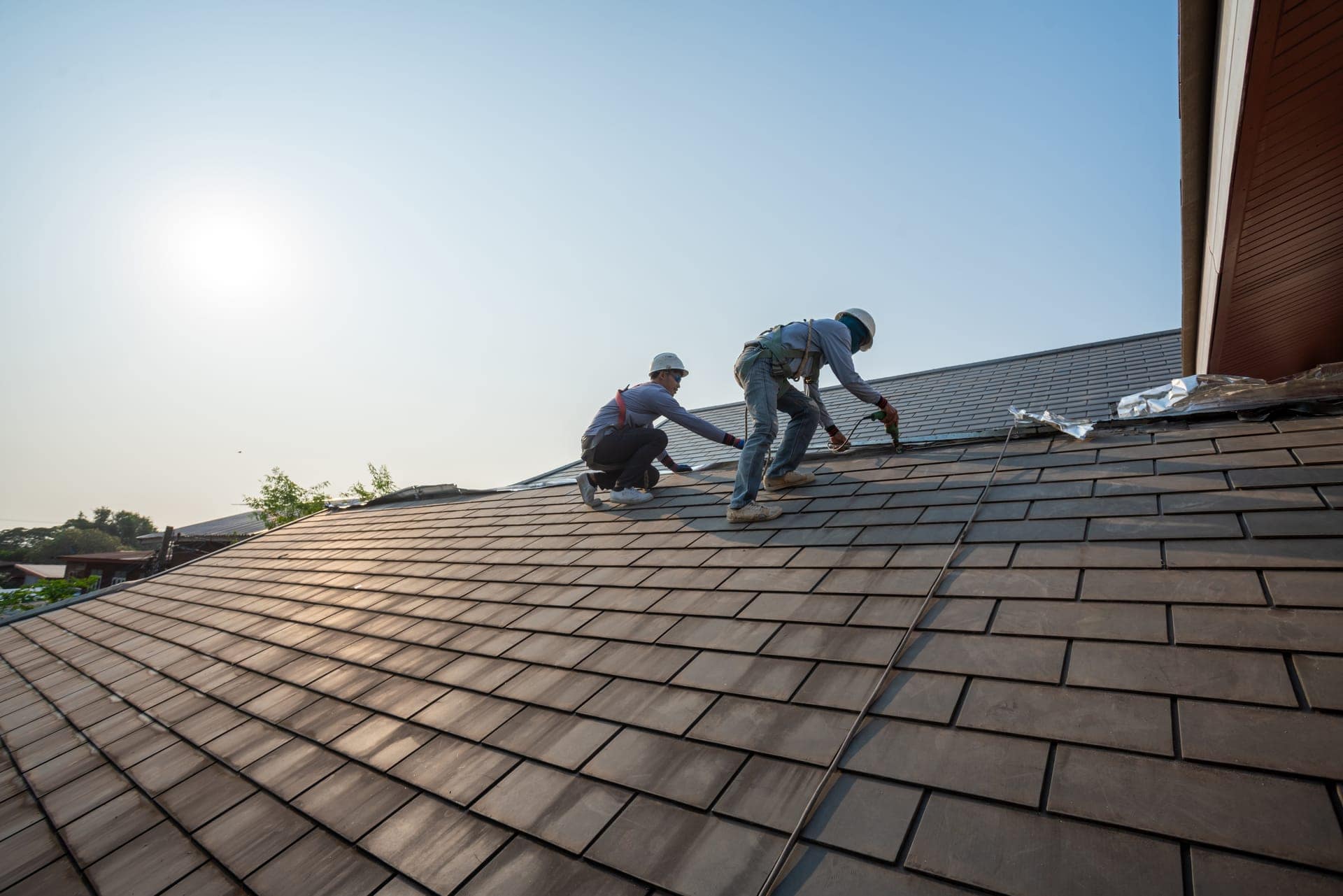
Wisconsin's seasonal extremes make annual roof maintenance worth doing. A two-hour inspection in May and a quick pre-winter check in October can add years to your roof's lifespan and prevent the kind of water damage that turns a $400 flashing repair into a $12,000 replacement.
Spring Checklist (May)
From the ground with binoculars: - Missing or lifted shingles after winter storms - Sagging ridge or rafter lines - Visible damage to chimney cap or flashing - Gutters pulling away from fascia
From the attic (if accessible): - Daylight visible through decking (indicates gaps or missing shingles) - Water staining on rafters or decking - Insulation wetness or compression near the eaves - Frost accumulation during winter (indicates air leaks)
Gutters: - Clear all granule buildup from winter - Check downspout extensions are directing water 4+ feet from foundation - Confirm all gutter spikes or hangers are secure
Fall Checklist (October)
- Clear all leaves and debris from valleys and gutters
- Inspect and recaulk all pipe boot flashings (these crack every 5–7 years in Wisconsin's temperature range)
- Check flashing sealant at chimneys and skylights
- Confirm ridge vent and soffit vent openings are clear and unobstructed
- Trim any branches that extend over the roof (contact with shingles in ice and wind events causes premature wear)
When to Call a Professional
Any water staining in the attic. Any soft spot on the deck. Any lifted or missing flashing. Any granule accumulation that's grown significantly year-over-year.
Apexium's maintenance plan includes two annual inspections with written reports. It's the most cost-effective way to keep a Milwaukee roof at full performance.
Spring for the inspection, because freeze-thaw damage shows up then and you still have the season to act on it. Autumn for gutters and debris, before anything can freeze in place. After any hail or high-wind event, regardless of the calendar.
Keep gutters clear, watch for granules accumulating, check the attic for damp or daylight after storms, and look at flashing points from the ground with binoculars. Anything that requires being on the roof is worth leaving to someone insured to be up there.
Twice a year, and the autumn clean matters most. A gutter that goes into December packed with wet leaves becomes a block of ice that will not drain again until March, and that ice works back under the shingles at the eave.
Generally no, unless the load is genuinely excessive or you have active ice dam leaking. Raking from the ground is safer than climbing, and roof rakes damage shingles when used aggressively. Fix the attic instead of managing snow every winter.
Damp insulation, dark staining on the underside of the decking, daylight around penetrations, and whether the soffit vents are actually open rather than painted over or blocked by insulation. Most roof problems announce themselves in the attic first.
Dark algae streaking is mostly cosmetic and common on shaded north slopes. Moss is different, because it holds moisture against the shingle and lifts edges. Moss on a Wisconsin roof is worth removing carefully rather than leaving.
Have a specific question about your Milwaukee roof? We answer directly.