
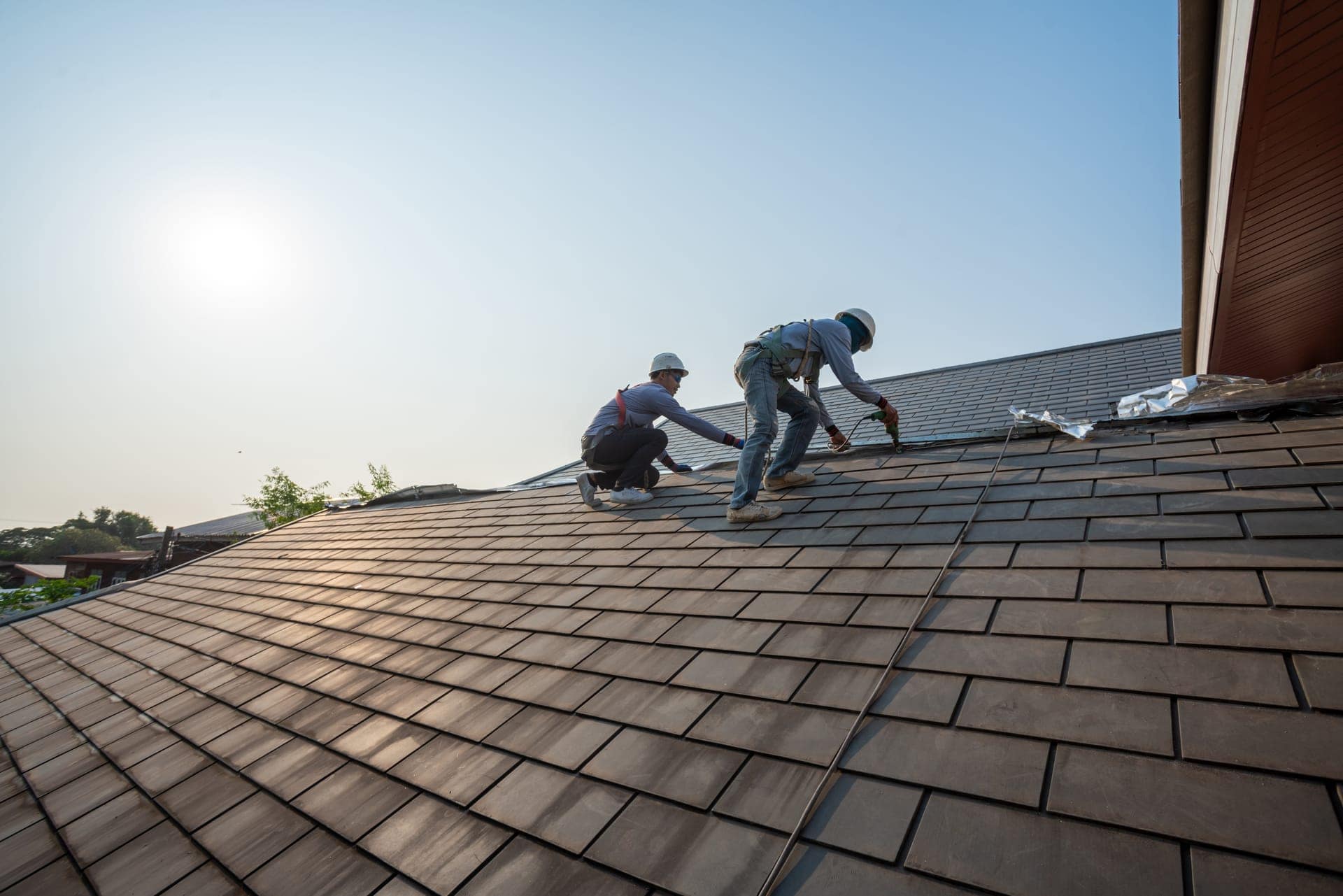
Storm damage does not wait for good roofing weather. A November gale off Lake Michigan can peel back a row of shingles, and a heavy, wet snowfall can bring an old maple limb down onto the house in January. When that happens, a tarp keeps water and snowmelt out until the roof can be repaired for real.
Tarping in a Wisconsin winter comes with its own problems, though. Here is what to know.
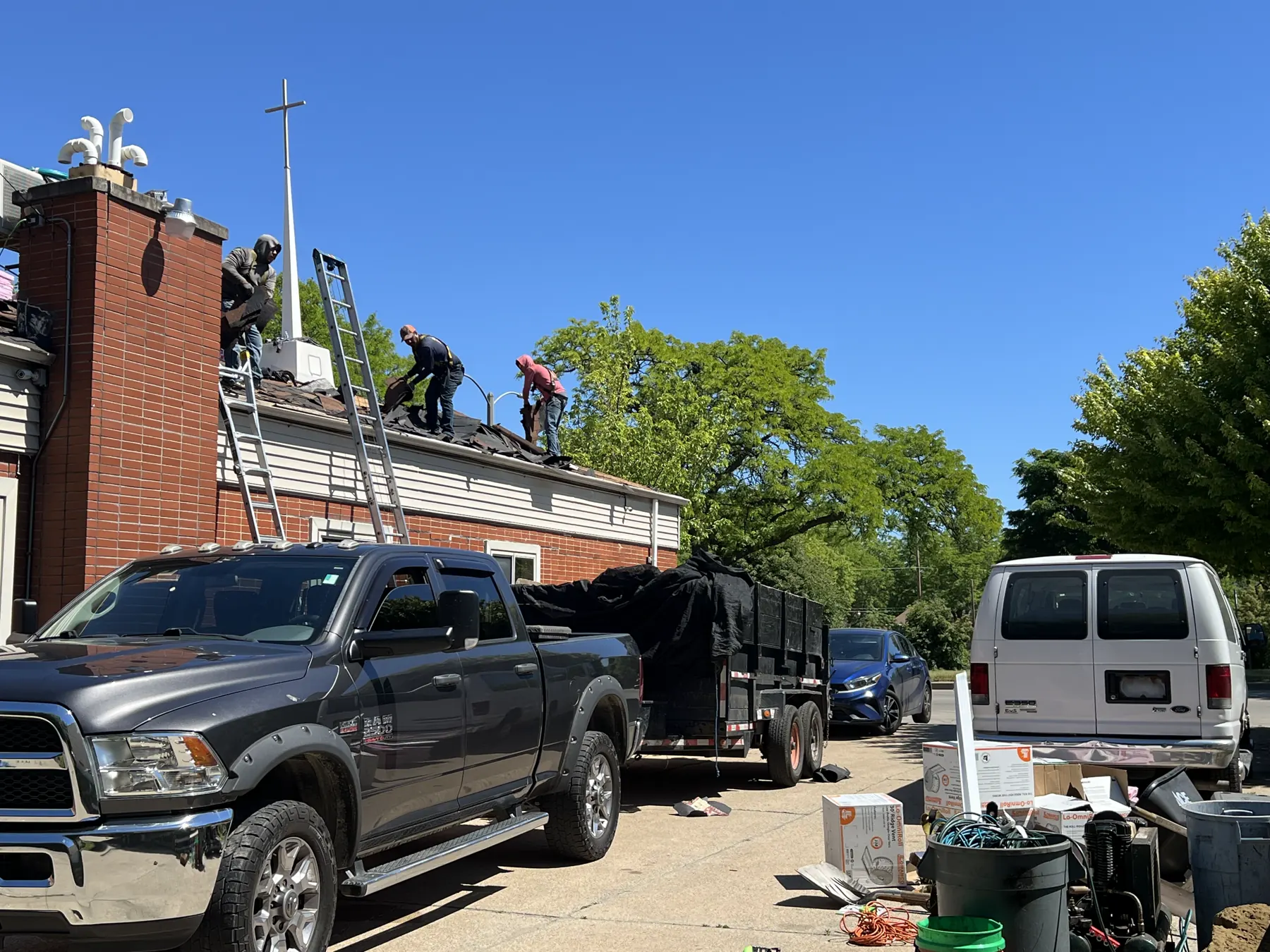
First, the basics
A tarp is a temporary cover over a damaged area. It is not a repair, and it is not meant to stay up for months. The goal is to keep the inside of your home dry and limit further damage while a permanent repair is planned and, if you are filing a claim, while your insurer reviews it.
A good emergency tarp:
- Covers the damage with generous overlap on every side
- Runs up and over the ridge when it can, so water cannot sneak in at the top edge
- Is held down by wood strips fastened into solid decking, not by a few nails through the tarp
- Lets water and melting snow run off the edge of the roof
Why winter makes it harder
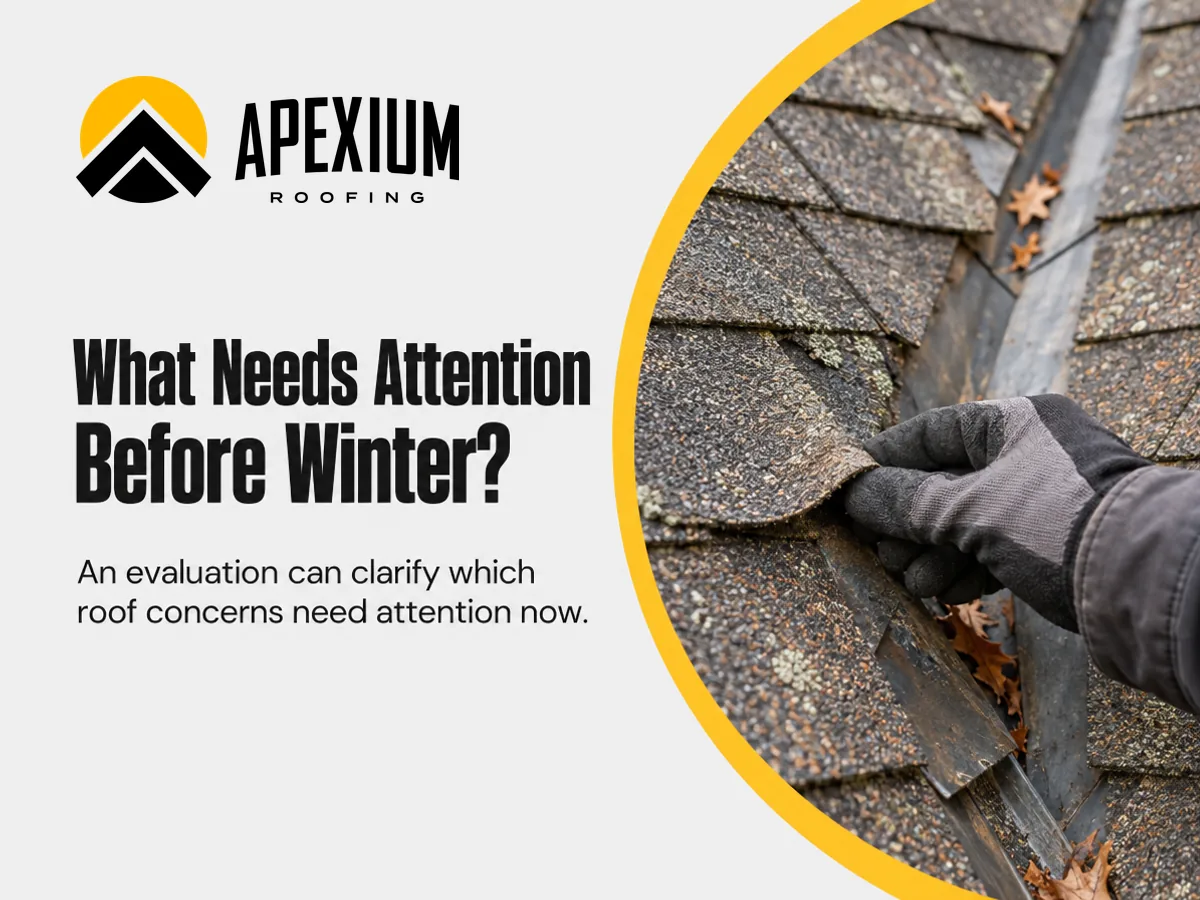
Ice and snow make the roof treacherous. A roof that is slick with frost or buried in snow is no place for a homeowner with a ladder. Even crews take extra care, and sometimes the safest choice is to wait for a break in the weather while you protect things from inside.
Snow piles up on the tarp. A tarp can trap snow, and heavy snow can pull at the fasteners. A sagging tarp also creates a spot where meltwater collects. After a big snowfall, have someone look at the tarp from the ground and call the crew if it is sagging or loose.
Ice dams can form around it. When heat escapes from the attic, snow on the roof melts, runs down, and refreezes at the cold eaves. Damaged areas and the edges of a tarp give that water a path inside. If you are already seeing ice buildup at the gutters, mention it when you call. Our guide to ice dam prevention in Milwaukee explains the causes in more detail.
Wind keeps testing it. Lake wind can work a poorly fastened tarp loose quickly. A tarp that flaps is a tarp that is about to fail.
What you can do indoors right now
- Check the attic if it is safe to get to. Look for wet insulation, drips, or daylight. Put down a tarp or plastic sheeting and buckets to catch water.
- Protect your belongings. Move furniture, electronics, and anything valuable away from leaks.
- Watch the ceilings. A brown stain that is spreading or a ceiling that sags means water is collecting above it. Keep people out from under it.
- Keep water away from electricity. If water is near light fixtures or outlets, shut off that circuit at the breaker if you can do so safely.
- Take photos. Dated pictures inside and out help with an insurance claim.
- Call your insurer if you plan to file, and save every receipt for emergency work. Here is how to file a roof insurance claim in Wisconsin.
When to call for help
Call right away if:
- A tree or limb has come through the roof
- You can see the roof deck or daylight from the attic
- Water is coming through a ceiling or around a light fixture
- Large sections of shingles are missing or folded back
Smaller problems, like a few missing shingles on a section that is not leaking, still deserve a prompt inspection, because winter weather tends to make small openings bigger.
After the roof is covered
Once the tarp is on, the next step is a full inspection to figure out what needs to be repaired or replaced. That inspection will look at the decking, the underlayment, the flashing, and any damage to gutters, siding, and windows from the same storm. If your claim is approved, the permanent repair can be scheduled as soon as the weather allows.
Do not let a tarp turn into a long-term solution. Sun, wind, and snow wear it down, and the longer it stays, the more likely it is to leak.
FAQ
Can a roof be tarped when it is snowing?
Sometimes, but safety comes first. A crew may need to wait for a safer window and help you control water from inside in the meantime.
Will my homeowner's policy cover the tarp?
Many policies cover reasonable steps to prevent more damage. Read your policy and keep the invoice.
Can a damaged roof be permanently repaired in winter?
Often, yes, on suitable days. Your contractor will tell you what can be done now and what should wait for warmer weather.
If a storm has damaged your roof, Apexium can help with storm damage roof repair in Milwaukee, from the emergency cover to the final fix. Reach out to us as your roofing contractor in Milwaukee to get on the schedule.
Have a specific question about your Milwaukee roof? We answer directly.