
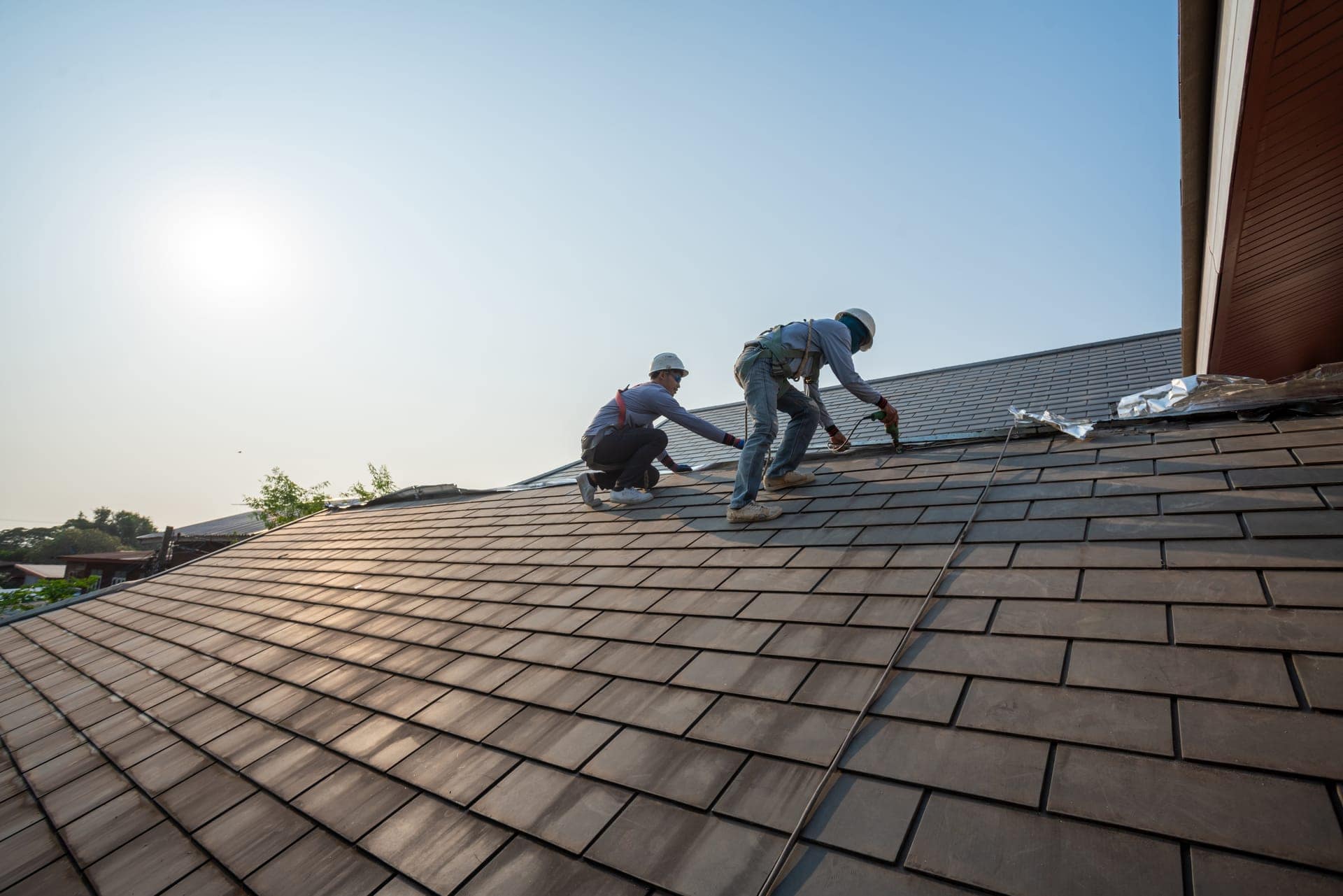
Siding pricing is harder to pin down than roofing, because two houses with identical square footage can be $7,000 apart on trim complexity alone. Here are the ranges we actually quote in Milwaukee County, and the line items that should appear separately on any honest estimate.
Installed Price by Material
Figures assume full tear-off, new house wrap, and standard trim.
Standard vinyl: - Small ranch, roughly 1,200 sq. ft. of wall: $7,000–$11,000 - Typical 1,800 sq. ft. two-story: $9,000–$16,000 - Larger 2,500 sq. ft. home: $14,000–$22,000
Insulated vinyl: Add $1.50–$3.00 per square foot to the above. On the typical two-story that is roughly $2,500–$4,500.
Fiber cement (James Hardie and equivalents): - Small ranch: $12,000–$19,000 - Typical 1,800 sq. ft. two-story: $16,000–$28,000 - Larger 2,500 sq. ft. home: $24,000–$40,000
Fiber cement pricing swings hard on whether you take it pre-finished from the factory or paint on site. Factory finish costs more up front and holds its color noticeably longer.
What Should Be Quoted as a Separate Line
These are the items that turn a clean quote into an argument if they are buried:
- Sheathing replacement: $65–$110 per sheet of OSB or plywood. Nobody knows how much is rotted until the old siding is off. The rate should be on the quote before work starts.
- Soffit and fascia: $9–$18 per linear foot. Very often due at the same time, and much cheaper to do while the crew and staging are already there.
- Window and door trim wrap: $35–$90 per opening depending on material and detail.
- Kickout and step flashing where roof meets wall: should never be optional, and should be itemized so you can see it is in there.
- House wrap: if it is not listed, ask. Some quotes assume reusing what is behind the old siding, which on a 1970s house may be tar paper or nothing at all.
- Disposal: usually folded into the total, but worth confirming on a full tear-off.
What Moves the Number Most
Trim complexity, more than anything. A plain rectangle with six windows prices very differently from the same square footage broken up by dormers, bays, gables, and twelve openings. Every opening is flashing work and cut labor.
After that: house height, because anything above two stories means more staging and slower work. Then existing condition, because a wall that has been wet for years is a sheathing bill waiting to happen.
Where the Cheap Quotes Come From
When a siding bid comes in dramatically under the others, it is usually one of four things. Thin builder-grade vinyl, around .040 gauge, which oil-cans and fades fast. Reusing the existing house wrap. Skipping kickout flashing. Or no allowance for sheathing repair, which means the number changes once the wall is open.
None of those are visible on the finished wall for about four years. That is the problem with buying siding on price.
On Financing and Insurance
Hail and wind damage to siding is claimable in Wisconsin the same way roofing is, and adjusters routinely miss siding on a storm claim because they are focused on the roof. If your roof was approved after a hail event, have the siding looked at too. Cracked panels and dented soffit on the same elevation are usually part of the same loss.
Comparing Three Bids Without Guessing
Siding bids are hard to compare because contractors quote different scopes under the same headline number. A worked example from a Brown Deer job last year, three bids on the same 1,900 sq. ft. two-story:
- Bid A: $11,400. Standard .042 vinyl, reusing existing house wrap, no sheathing allowance, soffit and fascia not included.
- Bid B: $15,900. Same vinyl gauge, new house wrap, $85 per sheet sheathing rate listed, soffit and fascia included, kickout flashing listed.
- Bid C: $14,200. Insulated vinyl, new wrap, no sheathing rate given, soffit excluded.
Bid A looks like it saves $4,500. Once you add wrap, the soffit and fascia that were failing anyway, and the eleven sheets of sheathing that turned out to be rotted, it lands within a few hundred dollars of Bid B with a worse wall behind it. The spread between real bids on the same scope is usually much narrower than it first appears.
Normalize every bid on four things before you compare totals: material gauge or product line, whether new house wrap is included, the sheathing rate per sheet, and whether soffit and fascia are in or out.
Timing and Season
Siding installs year-round in Wisconsin, but the calendar affects both price and quality.
Vinyl gets brittle in deep cold and is more likely to crack during handling and nailing below roughly 40 degrees. It also has to be hung with slightly different expansion allowances in winter, which a good crew accounts for and a rushed one does not. We install vinyl through the winter, but we are more careful about it and we will tell you if conditions are genuinely bad.
Fiber cement is less temperature sensitive to install, though site-applied paint is not. If you are painting on site rather than buying pre-finished, that work wants to happen between roughly May and early October.
Late fall is the busiest window in this market, because everyone wants it done before winter. Spring bookings are usually easier to schedule and occasionally priced a little better.
Permits
Most Milwaukee-area municipalities do not require a permit for a like-for-like siding replacement, but several do, and requirements vary between the City of Milwaukee, Brown Deer, Glendale, and the Waukesha County villages. If a contractor tells you no permit is needed anywhere, that is a contractor who has not checked. We pull permits where they are required in the communities we work in.
Getting a Real Number
For our Milwaukee siding services we measure wall area, count openings, note trim detail, and put the sheathing rate in writing before we start. If you want to compare bids properly, ask every contractor for the same three things: material gauge or brand and product line, the sheathing repair rate, and whether kickout flashing is included.
Roughly $7,000 to $11,000 for a small ranch in standard vinyl, $9,000 to $16,000 for a typical 1,800 square foot two-story, and $16,000 to $28,000 for that same house in fiber cement. Insulated vinyl adds about $2,500 to $4,500.
Trim complexity, almost always. A plain rectangle with six windows prices very differently from the same square footage broken up by dormers, bays, gables and twelve openings. Every opening is flashing work and cut labour.
It is the per-sheet price for replacing rotted plywood or OSB found once the old siding is off, typically $65 to $110. Nobody knows how much is rotted beforehand, so the rate belongs on the quote up front. Without it, the number changes after the wall is open.
Usually yes, if they are anywhere near due. The crew and staging are already there, so it costs substantially less than returning for it later. It runs about $9 to $18 per linear foot.
Hail and wind damage to siding is claimable the same way roofing is, and adjusters routinely miss it because they are focused on the roof. If your roof was approved after a hail event, have the siding assessed too.
Usually one of four things: thin builder-grade vinyl around .040 gauge, reusing the existing house wrap, skipping kickout flashing, or no allowance for sheathing repair. None of those are visible on the finished wall for about four years.
Have a specific question about your Milwaukee roof? We answer directly.