
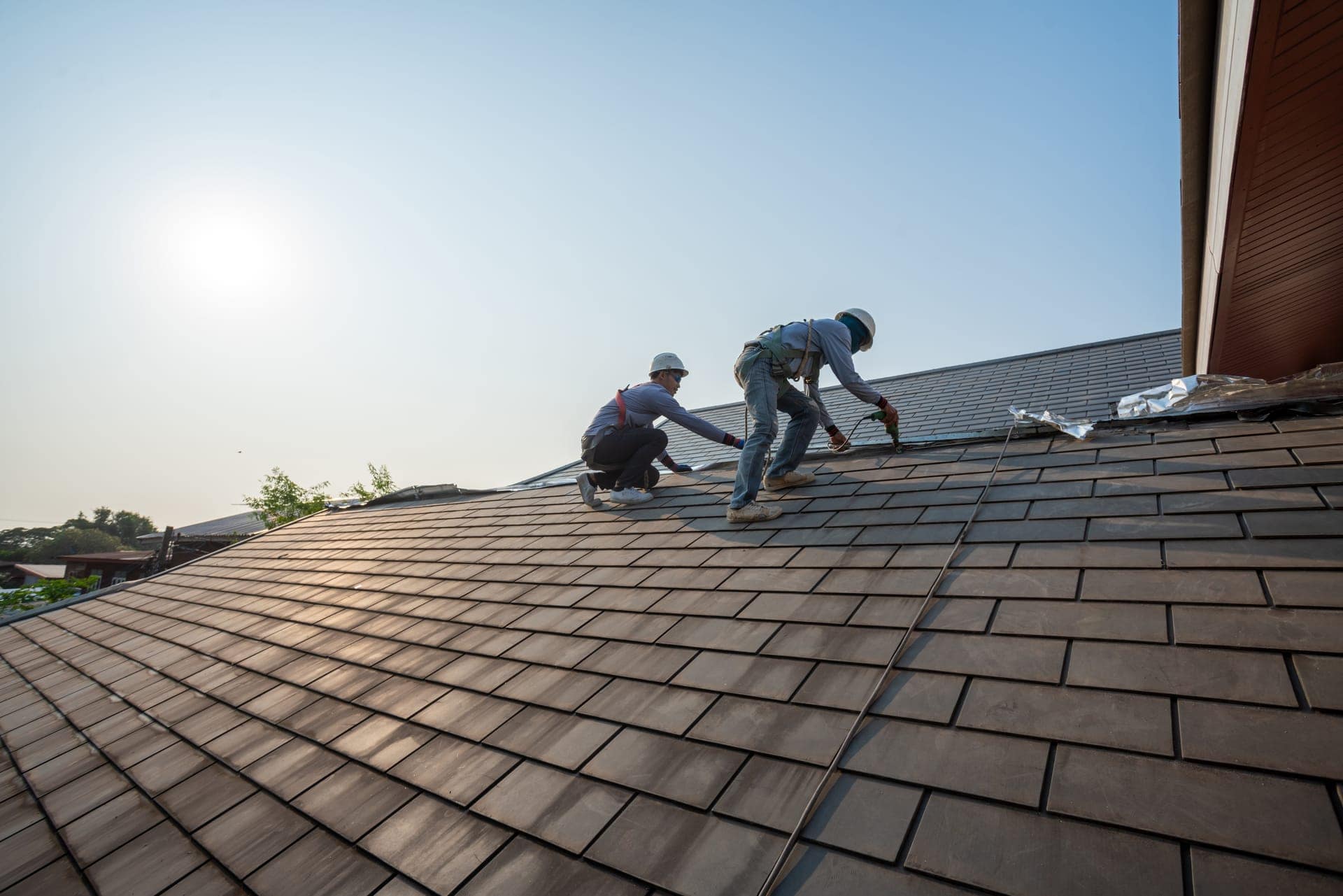
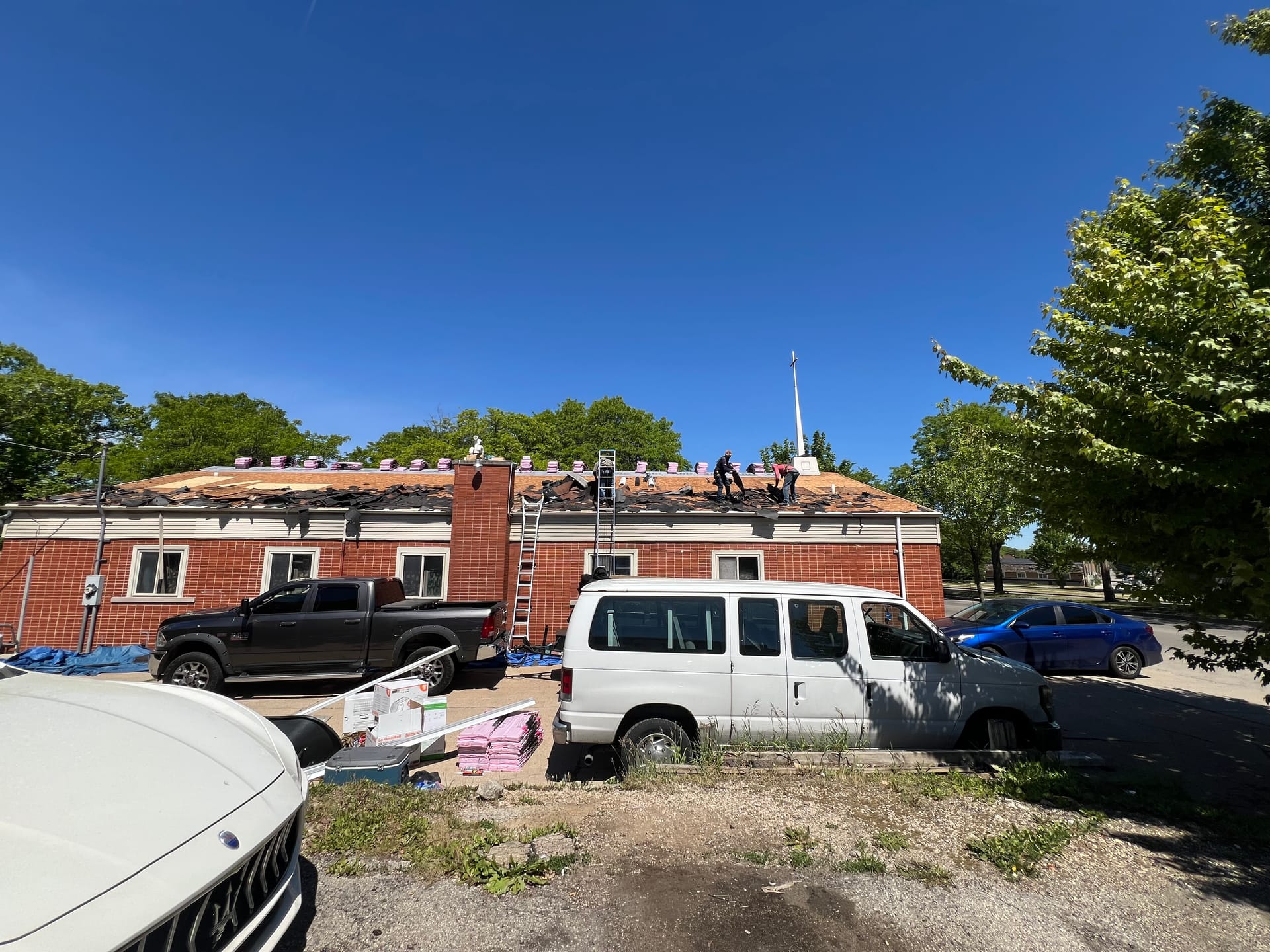
After a Wisconsin storm, every bruise on a shingle looks urgent. Some marks are hail. Some are age. Mixing them up leads to the wrong insurance conversation and the wrong repair scope.
This guide helps Milwaukee-area homeowners sort storm damage from ordinary wear. For local help, start with Apexium roofing in Milwaukee.
Hail clues vs wear clues
| Clue | More like hail | More like wear |
|---|---|---|
| Pattern | Random bruises in clusters, often on windward slopes | Even aging across large areas |
| Shingle surface | Soft spots, circular fractures, granule loss in hits | Widespread granule loss, curled edges, brittle tabs |
| Metal | Dents on vents, flashing, AC fins | Rust, failed sealant, loose fasteners without impact marks |
| Timing | Right after a documented storm | Gradual leaks over seasons |
| Neighbor context | Similar impact patterns nearby after the same cell | One house aging out while neighbors look fine for age |
None of these replace an on-roof inspection. Soft-metal dents and matching shingle bruises together are stronger evidence than a single mark. A lonely bare spot on a 20-year-old roof with no storm history is a different conversation than fresh bruises after a tracked hail event.
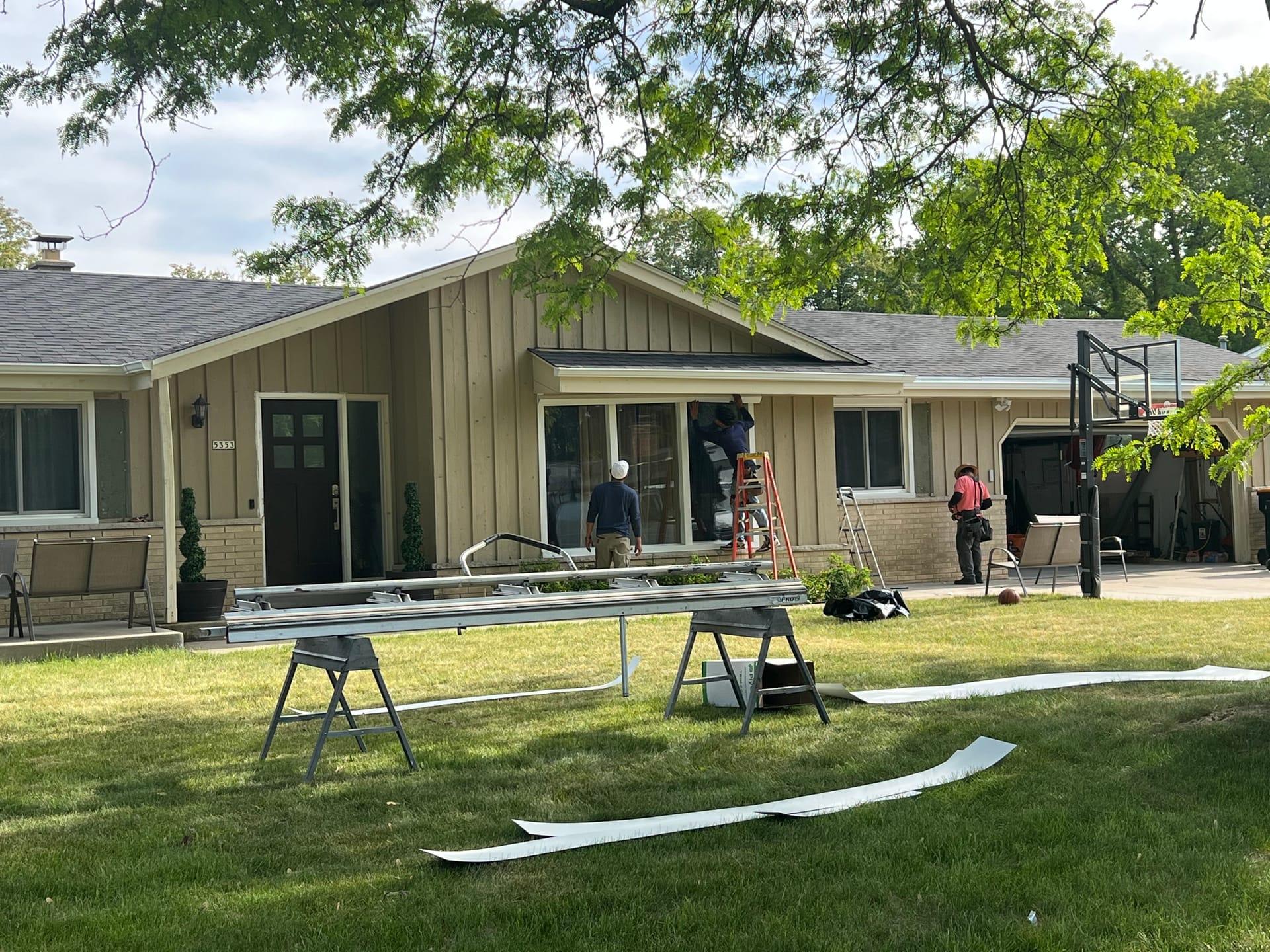
What to do in the first 48 hours
- Photograph elevations, close-ups, and attic stains with timestamps.
- Note the storm date and any weather alerts you saved.
- Avoid walking a steep or wet roof yourself.
- Call a roofer for a documented inspection before major DIY patches.
- If there is an active leak, contain water indoors and ask about temporary protection.
Wisconsin winters punish open leaks. Document early even if the driveway view still "looks fine." Many bruises need slope access or binoculars.
Insurance basics (not legal advice)
Carriers look for storm-created damage, not deferred maintenance. Clear photos and a written scope help. Deductibles and policy language still control what gets paid. Ask Apexium what documentation and claim-assistance steps they can support when you schedule an inspection.
Keep one folder with storm date, photos, inspection report, and adjuster notes. Ask what is repair vs replace in the written estimate. Do not authorize tear-off until you understand what is approved and what you may owe.
Repair or replace after hail?
- Repair can fit when hits are limited and the surrounding roof still has life.
- Replace enters the conversation when bruising is widespread, the roof is near end of life, or matched shingles are unavailable.
A honest contractor will say which one they see, not which one pays more. For a Milwaukee inspection and next steps, use Apexium roofing services for Milwaukee.
How inspectors separate hail from wear
A careful inspection usually checks more than one surface: shingle fields on multiple slopes, ridge and valleys, soft metals (vents, flashing, AC fins), and the attic side for wet sheathing or daylight pinholes. Hail evidence is often directional. One slope can look hammered while a protected slope looks quieter. Wear tends to look more even for the age of the roof, with curl, cupping, and widespread granule loss that does not need a storm date to explain itself.
Ask the inspector how they will document bruises and whether they will meet the adjuster on site. Ask how Apexium documents findings and whether they can meet the adjuster on site for your job.
Common mistakes after a Milwaukee storm
- Waiting weeks to photograph while weather and foot traffic blur the story
- Climbing a wet roof because a neighbor said the marks were obvious
- Patching with random sealant that hides evidence before anyone inspects
- Assuming every dark spot is hail when algae, nail pops, and foot traffic bruises also exist
FAQ
Can I see hail damage from the ground?
Sometimes. Many bruises need slope access or binoculars. Soft-metal dents on vents are often easier to spot from the ground than shingle bruises.
Do I need a public adjuster?
Not always. Ask your insurer and a trusted contractor what documentation they need first.
How fast should I act after a Milwaukee-area storm?
Soon enough to document conditions and stop leaks. Exact booking windows vary by storm volume. Call early after a cell hits so documentation and temporary protection are not delayed.
Local code or HOA rules vary by municipality and association; confirm what applies to your property.
Have a specific question about your Milwaukee roof? We answer directly.